For the next generation
Their Story. Your Faith.
What we receive from our family, and what we must choose for ourselves.
You can grow up in church. You can carry the name Hofman. You can know the Canalul-80 story by heart. None of that makes you Christ’s. My father’s road is not your baptism.
I
I am Daniel, the son of Gheorghe Hofman and Margareta Hofman. This page is for my sons, for my brothers, for my sisters, and for any young person who grew up beside a church. The archive stays. Faith does not pass on with the archive.
My father was taken in the autumn of 1980, at 44. I was brought to America in 1989, at 14. The file is his. The years in America are mine. Neither one is your faith. I open both so that you do not hide in them. I am coming back to sit beside the young people who grew up in church, to minister, to coach, and to love. I am not coming to save you. I do not put a date.
The road is short. Read the trap, the file, the thief, then what to do if you are stuck. The school, America, coming home, and the look inside the church are the same question: the sentence is yours, or it is someone else’s. The names and the figures stay closed until you open them. They are not the work. The work is to keep the archive open, to sit beside you, and to pay for a study that asks how many young people in these churches describe their faith as the religion of the family, and how many as a decision of their own.
Salvation is not inherited
The large problem for the next generation, in Romania and wherever the church building is open, is not that the building disappeared. A Christian’s child can believe that salvation came with the family. He knows the songs. He knows who sits in which pew. He knows that “our people” suffered. And he can live his whole life on someone else’s story.
I do not put a number on this page. I have not counted the children of the churches in Romania. What others have written, and why the figure is still not here, is under studies. An invented figure would be a lie, and a lie wakes no one. I know the trap because it fits a son. Even I can think that the file, or the church I grew up beside, stands in for faith. It does not.
Religion is easy to inherit. You are born into it, you breathe it, you defend it when someone mocks it. Faith is not inherited. It begins when you yourself come to Christ, not when you repeat your father’s life.
What Scripture says
The lines are the sense of the verse, in my words, so that you will open the chapter yourself. They are not a printed edition of the Bible. Open them if you want to read them here.
Matthew 3:9
John tells religious people not to comfort themselves with the sentence “We have Abraham as our father.” God is able to raise up children from stones. The family line does not stand in for repentance.
John 1:12–13
To those who received him he gave the right to become children of God. Not of blood. Not of the will of a man. Of God. The house you were born in is not the new birth.
John 3:3–7
Unless a person is born again, he cannot see the kingdom. Nicodemus was a teacher in Israel. He knew the Law. He still had to be born from above. A church child can be a young Nicodemus: correct on the outside, unborn on the inside.
Ezekiel 18:20
The son does not bear the father’s guilt, and the father does not bear the son’s. Righteousness stays with the one who walked in it. You inherit neither his sentence nor his faith.
Ephesians 2:8–9
By grace, through faith. Not of yourselves. It is the gift of God. Not of works, so that no one may boast. The church’s works, your father’s works, and the courage of 1980 are not the coin that buys heaven.
Joshua 24:15
Choose today whom you will serve. A house can stand on the same threshold. The choice is still spoken by each mouth.
Hebrews 11:8 and 11:13
By faith Abraham went out, not knowing where he was going. The people in that chapter are called strangers and pilgrims on the earth. A pilgrimage is not handed over at the gate with the family name.
Luke 9:23
If anyone will come after him, let him deny himself and take up his cross daily. My father’s cross, in the autumn of 1980, was his. Yours is taken today, by you.
2 Corinthians 13:5
Examine yourselves, whether you are in the faith. The question is allowed. A son may say: I still do not know whether I am his, or only the house’s.
Matthew 7:21–23
Not everyone who says “Lord, Lord” enters. A person can speak the church’s language for a whole life and not be known by him.
What the file cannot do
My father, Gheorghe Hofman, did not inherit a sheltered church. On the night of 18/19 October 1980, at a checkpoint in Suceava, the Bibles in two cars were a crime. He was taken on 31 October. That autumn he was 44. He is one of the five imprisoned in the trial the study writes about. The story sits on the short page and in the open archive.
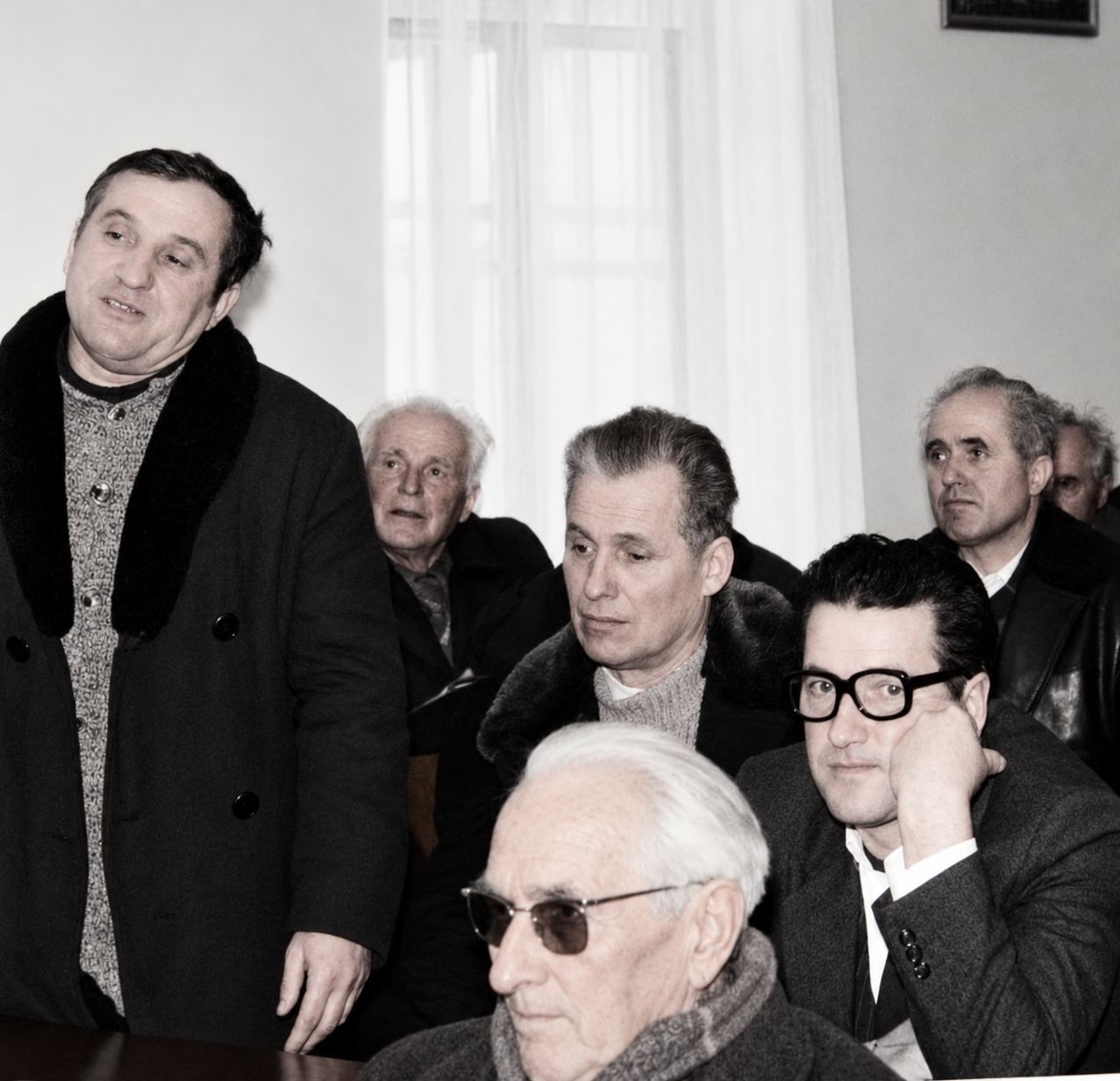
That road is his. It can teach you what a Bible cost when it was forbidden. It cannot believe in your place. A Bible in the house, even one of those taken then, is not the faith of the child who sleeps beside it. The name on the file cover, EVANGHELISTUL, was the state’s mask for a man. “Hofman’s son” can become a mask too, if there is no faith under it.
This is why I keep the archive open. So the generation coming after us can see the price, and then not hide inside a price someone else paid.
Without my father’s story
Many of us do not have an autumn like his. We were not imprisoned. We did not carry Bibles through a checkpoint. This page does not ask you for a large story. It asks you for faith. Faith is not inherited when the house’s story is large, and it is not inherited when the story is missing.
Luke 23:39–43
The sense, in my words. Two men are crucified beside Jesus. One mocks him and asks to be taken down. The other says they are receiving what they deserve, that Jesus has done nothing wrong, and asks to be remembered when he comes in his kingdom. Jesus tells him that on that day he will be with him in paradise. Matthew and Mark write that both of them mocked. Luke keeps the change in one of them. I do not force the lines to agree. What stands in Luke is the request and the answer. Open the chapter.
Some say the scene does not concern us, because Jesus himself was there and saved the man on the spot. That is not a door only for him. It is the door. The same pain, two mouths. Jesus did not receive both. He received the one who believed. That the Savior is Jesus does not take the story out of our row. It puts it in the middle.
This line has no baptism. It has no church childhood. It has no file. The thief did not inherit salvation. He believed, and Jesus received him. In the churches this page writes about, baptism comes after faith. It does not stand in faith’s place. Luke does not mention a baptism before the answer.
For someone who grew up in church, the hard part is the voice. The song is already in the mouth. The group’s sentence comes out on its own. Your road begins when you say a sentence of your own, to him, not to the pew. It is hard for me too. My mouth knows my father’s story. My voice is something else: where I stand, not where he stood. The thief found his sentence on the day he was dying. Most of us have more time and a smaller story. A small story is enough.
People without a large file
Scripture does not keep only the person who has an autumn like my father’s. It keeps people who came without a name to set on the table. The sense, in short. You open the chapter.
- Rahab, Joshua 2 and Hebrews 11:31. She was not of Israel. She believed, and the faith chapter names her.
- Ruth, Ruth 1:16. She was from Moab. She chose her mother-in-law’s people and God. She had not been born in the house.
- David, 1 Samuel 16. The house brought the sons who looked like kings. God asked for the youngest, from the sheep.
- Gideon, Judges 6:15. He says he is the least in his father’s house. His father’s house was not the qualification.
None of them is Canalul-80. You do not need my father’s autumn. You also cannot borrow it. Your road is to speak, in your own voice, to the same Christ.
Who else has spoken about him
I did not invent this line. Others said it before me. None of them counted young people in the churches of Romania. They spoke about the man on the cross.
Gheorghe Cornilescu, on Luke 23:35–44, in a text dated 10 October 1948 and placed on ClickBible on 8 April 2017, writes that the thief had no inherited faith. What he had inherited was an empty way of living, which led him to that death. Cornilescu says we lull ourselves with a faith we claim is inherited, and that salvation is not a man’s work and not the result of good deeds. No one guided the thief, and he had not heard a sermon. His closing line: we do not become believers by what we inherit, nor by what we do, feel, or suffer. He also notes Matthew 27:44, that both mocked, and then one changed. The web page has typing errors. I have put the sense, not the broken line.
St. John Chrysostom, in Homily I on the Cross and the Thief, is quoted by Basilica on 20 March 2014, from Predici la sărbători împărătești și cuvântări de laudă la sfinți, pp. 90–91. He says the Lord did not tell the thief what he told Peter, did not promise thrones, did not show a miracle, and did not speak a word about the kingdom of heaven or about hell. The thief had not seen the dead raised, or demons cast out, or the sea obey. He confessed anyway. When Peter was denying below, the thief was confessing above. Chrysostom writes that he is not accusing Peter. Two thieves, the same life, not the same end. He says one inherited the kingdom. The verb is his, for the one who believed. It is not my claim that salvation is inherited.
Charles Spurgeon spoke about him twice, at the Metropolitan Tabernacle. I read these passages. On 31 January 1886, “The Dying Thief in a New Light,” Luke 23:40–42, Metropolitan Tabernacle Pulpit, volume 32, he answers people who say the thief was converted, but was not baptized, never went to communion, and never joined the church. Spurgeon says he could not, nailed to the cross, and that what God himself makes impossible he does not demand. For Spurgeon, the confession from the cross is the essence of baptism. In the same place he also preaches the longer form, for a living person: he who believes and is baptized will be saved. On 7 April 1889, “The Believing Thief,” Luke 23:42–43, volume 35, he says that if this had been an exception, the Lord would have hedged it and spoken in a whisper. He spoke openly, and the case was written so the marvel would be repeated. His words: “The bulk shall be equal to sample.”
I also read pages that say the opposite: that the scene is an exception from before the Church’s baptism and does not hold for us. I do not put them here as agreement. The answer stands above. I have seen titles of recent sermons. I have not heard them. I do not put their words here.
The church you grew up in
The danger, when you are a Christian’s child, is that the comfort zone has the shape of a church. The group receives you. You sing correctly. You know when to close your eyes. No one asks whether you have met him, because everyone assumes you have. That can be religion: the habit of the group. It is not yet faith.
Many never leave that place. They stay in the pew the family put them in, and they call the pew a walk with God. I have no census. I only know that Scripture already describes the person who leans on father Abraham and does not come himself.
There is another hiding place. You leave the building, you laugh at those who stayed, and you think the distance is freedom. Leaving the group is not the leap. The leap is to come to Christ yourself, under your own name, not under your father’s and not against your father.
Everyone has their own road
Among some Old Order Amish in America, before baptism, a young person is given a season called Rumspringa, “running around.” It comes around the age of sixteen. They do not baptize infants. Baptism is the chosen entrance into the community. In that season, some see more of the outside world. Films thicken the parties. Not every settlement does it the same way, and not every young person goes far. The useful fact is the door: you are not a member because you were born at their table. You choose the walk, or you do not.
I am not writing this so that you will take a tour of sin, as if God first required the street. Scripture does not say that. I am writing that no one may lock you inside the religion of the house before you have chosen. Abraham went out without knowing the road. You may look, you may ask, you may stand for a while without the mask. Then you still answer. The pilgrimage is yours. Mine does not stick to your feet.
Before you serve
Beside the Amish season, some people say walkabout, the English word taken from Australia. I am not sending you to copy a rite. I am not sending you to sin in order to find yourself. The picture in the films, a boy sent alone into the bush for months, is not what I read.
Deborah Bird Rose, in Dreaming Ecology, chapter 2, at ANU Press, writes about the Victoria River district in northern Australia. There, in Kriol and in Aboriginal pastoral English, walkabout means going out for food. It is not wandering. You leave with a purpose, on country where you have a right to be, you say that you are going, and you come back. The settlers’ English turned the word over: leaving work to return to your own place was read as throwing off responsibility, or as movement with no aim. I have not read chapter 3, which is titled only “Walkabout.” Nicolas Peterson titled a 2004 chapter “Myth of the walkabout.” I have not read it. I do not put his argument here. The title only says that the familiar picture is in doubt.
The useful door, for someone who grew up in church, is this. Before you stand in front of the church, and before a school puts a title on you, you leave and you come back with a sentence of your own. You are not sent out from Christ. You are sent so that you will stop borrowing the school’s voice.
A theological school does not make you a Christian. Neither does a Bible school. Neither does the pulpit. You can come out with the answers in your mouth and without the place where you yourself stand. The danger is not that you read. The danger is the pastor who learned the chapter and does not stand in it. The sheep follow the life, not only the sentence.
Who else has written about the school
None of them counted pastors who came out of the evangelical schools of Romania. I did not find that study in what I could open. I do not move an American figure onto the churches here.
Gregory the Great, in the Pastoral Rule, book I, chapter 2, in James Barmby’s translation on New Advent, writes that no one should take a place of government who does not live what he learned by study. There are some who examine the teaching with care, then trample it in their lives. They teach what they learned from books, not from practice. When the shepherd walks on steep ground, the flock follows him to the cliff. He says that no one does more harm in the Church than the person who has the name and rank of holiness and lives crookedly. The sentence is his, about the shepherd of his century. It is not my verdict on the pastors of today.
B. B. Warfield, at Princeton seminary, says in the passages I read that the school exists so that you will learn, and that learning alone does not make a minister. In the 1903 address, “Spiritual Culture in the Theological Seminary,” as quoted by Biola: intellectual training alone will never make a true minister. The heart has rights which the head must respect. The ministry is a spiritual office. The trouble he sees is not that pastors have too much mind, but too little heart. In the 1911 text, “The Religious Life of Theological Students,” in the passages on Heidelblog: being able to teach does not make you a minister. Before being learned, and above that, a minister must be godly. Nothing is more fatal than to set the two against each other. He defends the school. He does not close it. He says the diploma does not stand in the place of a life.
Jo Ann Deasy, in In Trust, the 2017 issue, writes about the graduating-student questionnaire of the Association of Theological Schools in North America. In 2015–2016, almost 6,300 students at 183 schools completed it. Of 15 places where the school might help you grow, trust in God stands 6th, living one’s faith in daily life 9th, strength of spiritual life 13th, and the ability to pray 15th. Prayer has been last for at least eight years. Students in the master of divinity, the ordinary degree for ministry, rated these four places somewhat lower than their colleagues in other professional master’s degrees or in the doctor of ministry. Apart from prayer, they still rated the other three at 4, “effective,” on a scale from 1 to 5. That is their view of the school, not a measure that the school took their faith. The schools are in North America. They are not the institutes in Romania.
David C. Wang and the others, in the abstract of the 2023 article in the Christian Education Journal, posted at the Thrive Center, write that research by the same association, in 2018, found that over 40 percent of seminaries do not have a working definition of personal and spiritual formation. I read the abstract. I have not read the article. The figure is about schools that cannot say what a formed life is. It is not the number of pastors who are not Christians.
The question that has not been measured, here: among young people raised in Pentecostal, Baptist, and Brethren churches, how many enter a Bible school or a theological school before they have a sentence of their own, and how many then stand in the pulpit with the chapter learned and the life somewhere else. I am not asking how many are saved. I do not start the count. I do not add it to the offer to pay below.
What Romania has, and the American picture
There is another trap, and I have not measured it. Many of you who grew up in Pentecostal, Baptist, and Brethren churches in Romania are taken with work, with American music, and with everything America shows that it offers. The picture is loud. You do not see what Romania has, and what America no longer has in the same measure: people outside, together.
I have been in America since 1989. I have not found here the community I found in Romania. That is why I am going back. I am not putting a date on this page. I am going back to look for it myself.
In Romania people still stay in the park. They play chess at a table. They watch. They walk. Life is public. You can start a conversation with a stranger. That is still happening. I say it from what I have seen. It is not a census.
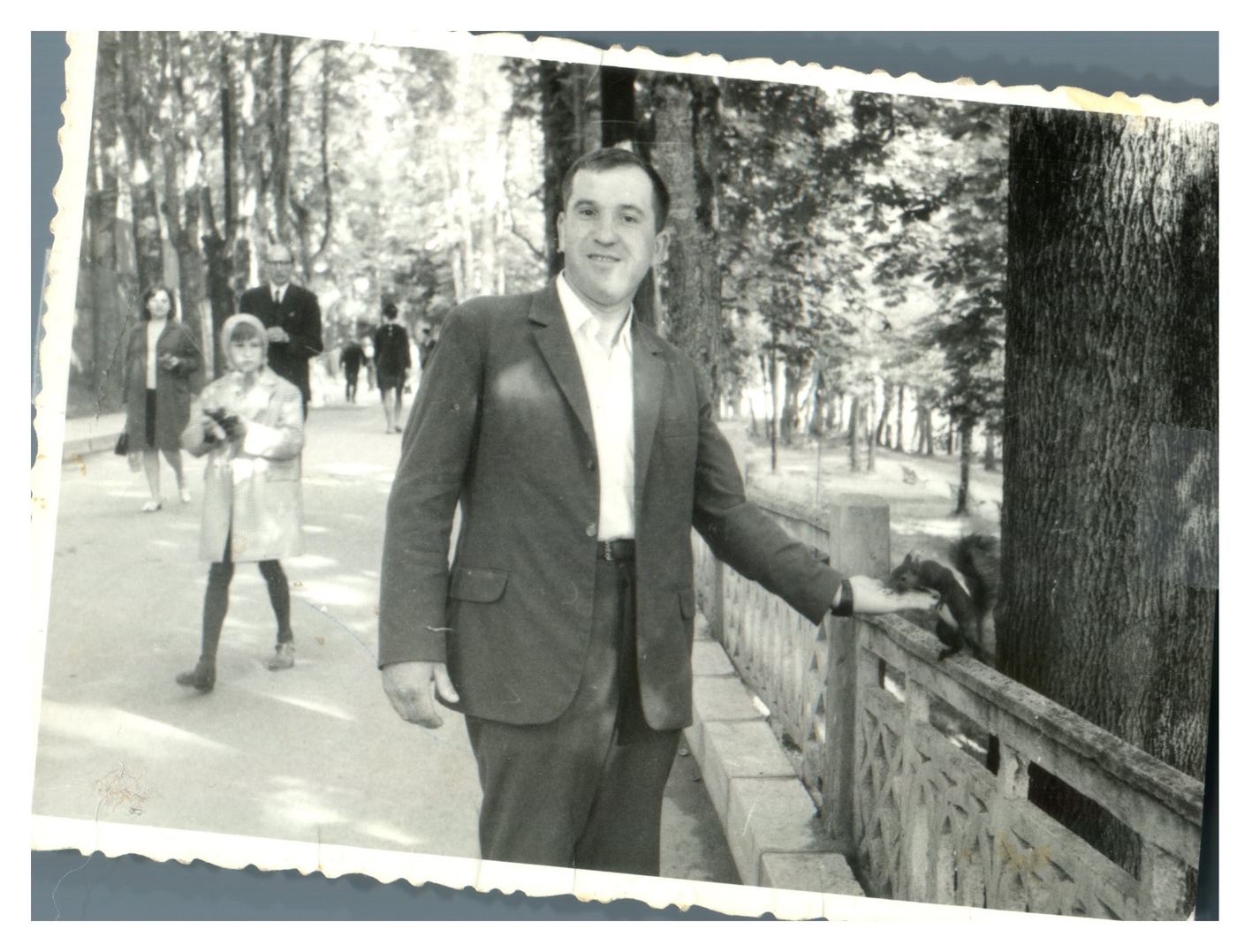
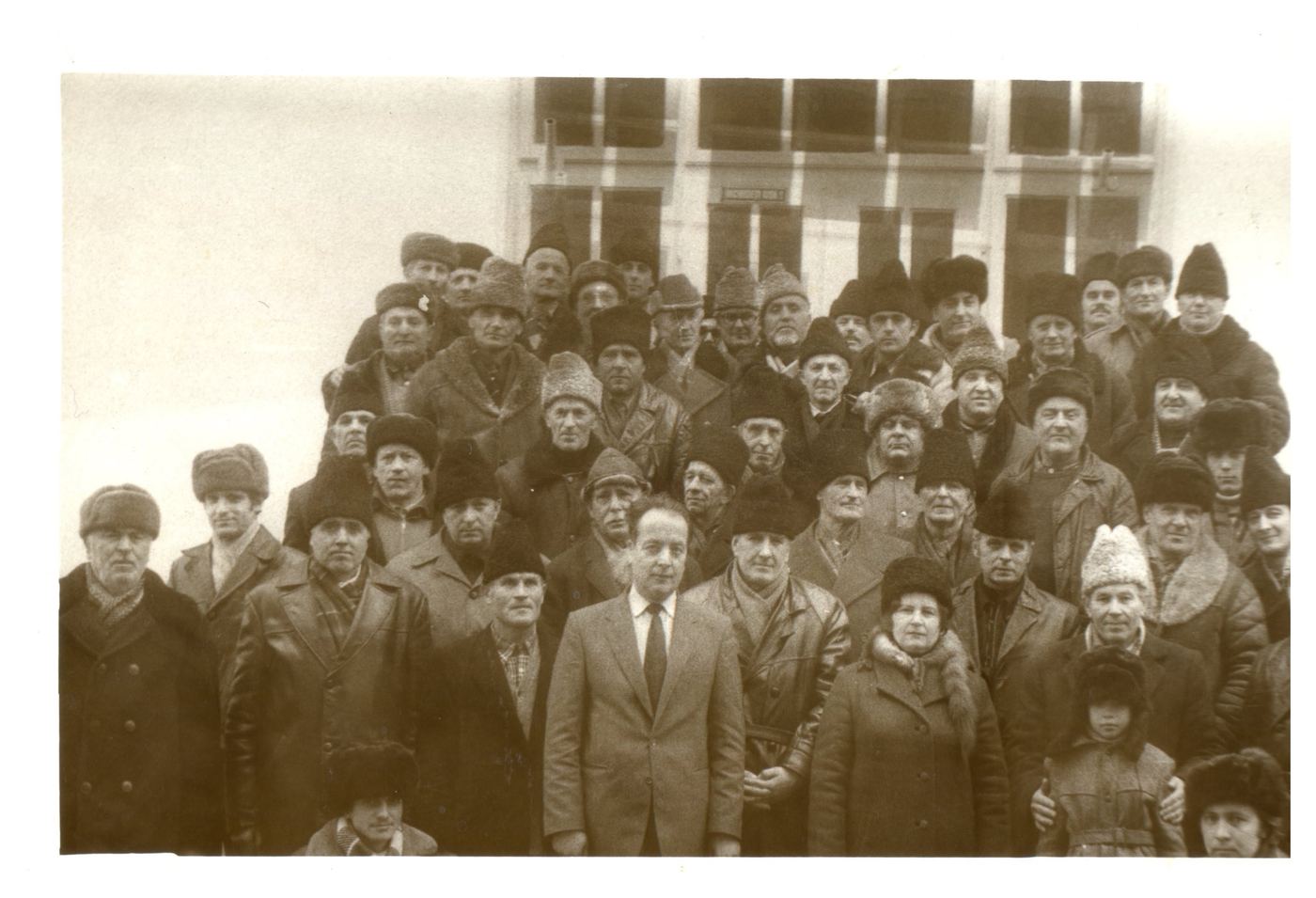
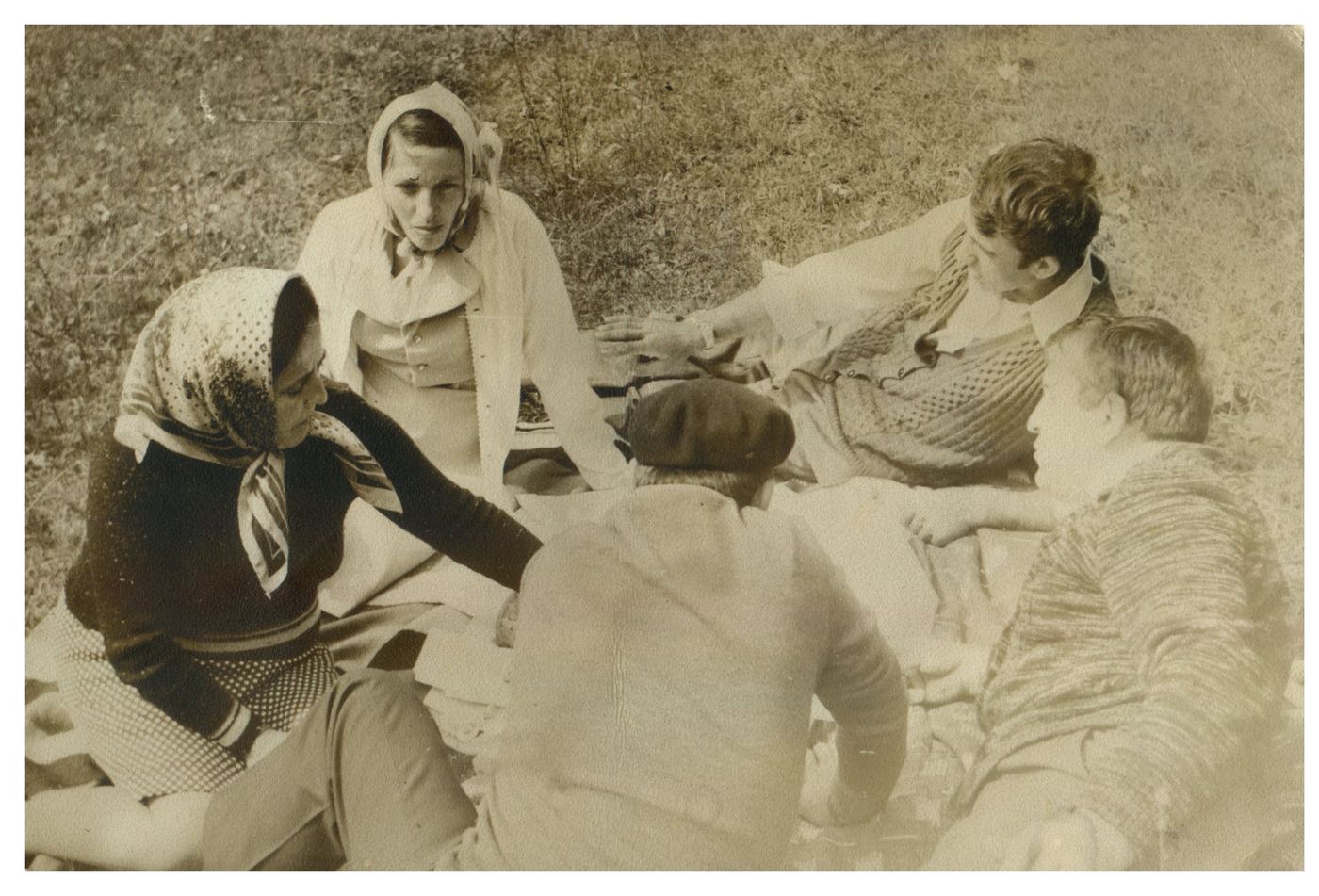
Romania is beautiful. Enjoy this community. The love you look for in the picture is already among people, at home. Travel. Then remember the old saying, which is not a study: there is no place like home.
The park does not save you. Neither does an American wage. Neither does the song. This page stays with faith, which is not inherited. I am only telling you not to sell the outdoor life of Romania for a picture. My father does not give you faith. Neither does America.
Who else has written about this
None of them counted young people in the evangelical churches. I do not move their figure onto my question.
Robert D. Putnam, in the essay “The Strange Disappearance of Civic America,” on The American Prospect, measures America, not Romania. From the time diaries of 1965, 1975, and 1985, he writes that time spent visiting and being together has fallen, perhaps by a quarter, since 1965, and time for clubs and organizations by roughly half. In associations such as the PTA, the Elks, the League of Women Voters, the Red Cross, labor unions, and bowling leagues, participation fell by roughly 25 to 50 percent over the two or three decades before his essay. In the General Social Survey, group membership fell by roughly a quarter since 1974, and trust between people by roughly a third since 1972. He does not say the parks closed. He says visiting and the club grew thin. My comparison, from 1989 on, is my own.
Patti Golden, an American, on 11 May 2013, in “An American Woman in Bucharest,” on Catchy. When she told Romanians that she loves the parks, they relaxed and said “da, da.” For her the park is the place to walk, to stay, and to play, with flowers, terraces, and benches. She writes that near the end of communism the apartment was for sleeping and eating, and the park was the open place where you met your own people, and both the young and the old talked. On a fine weekend, she writes, tens of thousands fill Herăstrău. That is her eye, in Bucharest, in 2013. It is not a survey. She does not write about chess, and she does not write that you spoke with a stranger. That remains what I have seen.
Ioana Moldoveanu, in “The night chess players of Cișmigiu Garden,” Jurnalul, 19 March 2004. At midnight, in the rain, at the stone tables in the Careu, people of every age were playing chess. The report writes that players have met at those tables since before the Second World War. Petru Volk Bucur, then 52, says he likes the talk there. They do not play in silence. They talk about football and about politics. It is one garden, on one night in 2004. It is not the map of Romania today. I say that I have still seen the game and the talk in the park. I do not move the people in the report into this year.
Ana Cârstoiu, on 2 August 2022, in Vice, spoke with young people who had lived in the West and come home. It is not a survey, and it is not about the evangelical church. Simona, 22, back from Spain, says Romania needs them and that the country’s future depends on whether they stay. Diane, 27, born in Queens, New York, gave New York for Bucharest, because this is where she feels best. When she left Romania, every vacation she thought of coming back. She wants the people around her to understand community. Bodi, 29, from Curtea de Argeș, lived 16 years in Spain. He says that for the same work he could have earned three times as much there, and that he would not go back. Here is home, and the constant longing has stopped. Three voices. I do not turn them into the number of young people in church.
Not everyone who came back says what I say. I have also seen titles in which they longed for the West again. I have not read those accounts through to the end. I do not put them here as agreement. Others, which I have read, stand at coming home. I do not move those here as agreement either.
The question that has not been measured: among young people raised in Pentecostal, Baptist, and Brethren churches, how many describe the life they want as the work, the music, and the picture of America, and how many can describe a public life they already have in Romania, staying in the park, the walk, the chess table, a word with a stranger. I am not asking how many are saved. I do not start the count from this page. The offer to pay, below, stays with the other question, about inherited faith.
The good, the bad, and the ugly of coming home
I left in 1989. I was brought to America as a child. I was 14. I have been here since then. Above, I wrote why I am going back: I have not found in America the community I found in Romania. I do not put a date on this page. I am not coming back to save you. I do not stand in for your conscience. The park does not save. Neither does the wage. Neither does the song. Neither does the return.
Young people raised in Pentecostal, Baptist, and Brethren churches need a man who has lived the picture, not one more sermon about it. I can minister. I can coach, from the road I have walked. I can love you. That means I sit beside you when you want to see what America has given, since 1989, and what it has taken. It does not mean I take the place of Christ, or the place of a father, or the place of your own voice. The road stays yours. Mine does not stick to your feet. I was brought. I did not leave as a pastor.
The good
The years are not for throwing away. I have another language. I have seen the work, the music, and the picture from the inside. I still want home. I can tell you that without a poster. It is not salvation. It is an experience a man who never left does not have, and that a man who only praises America does not tell to the end.
Who has written about the good part
Anatolie Coșciug, in the interview by Kristina Reștea for Economedia, 2 June 2026, says not every return is forced. There are people, some of them raised abroad, who come for a real job. They bring a craft, a language, a way of working. I read the interview. I did not watch the recording. He does not count young people in church.
Despina Saghin, Daniel Lucheș, and Maria-Magdalena Lupchian, in World, 27 March 2025, asked teachers in the north-east of Romania, between July 2023 and February 2024. Five hundred answers remained, out of 643. It is not a sample of the country. It is the teachers’ eye, not the children’s. In the free words, the perception is mostly good: adaptability, an open manner, curiosity, ambition, responsibility. To them, most of the children who came back seemed to settle. The difference was made by the family, the Romanian language, and the school. These are pupils who had their school years equated, in the later migration. They are not a man who left at 14, in 1989. I do not move their good part onto the church.
The bad
The country moved without me. I missed the Romania you lived, you who stayed. I can talk about a park I see on a visit and miss the wage, the hospital, and the job you are looking at. The bad, if you hear only me, is that you sell the life you have for a picture I have already lived, and in which I did not find the community.
Who has written about the bad part
Anamaria Nedelcoff, in Antena 3, 19 June 2026, spoke with people who had come back. Andra, 33, ten years in the United Kingdom, back in 2023, says you are not whole: neither there, nor here. Marius Matichescu, back from France in 2011, says that in his work it was the best thing he could have done, and that he felt he no longer spoke the same language as his own people. It took him time to find his balance again. Gabriela Țibrea, twelve years in Spain, back in 2017 for her child’s school, says that if she had known what she was coming back to, she would not have left the life she had there. She also says that for most of them the land calls, then they see that adaptation is hard, and that you want to put your shoulder to it and you are limited. Three people. Not a survey. Not the evangelical church. Not the child of 1989.
Saghin and the others also write the hard part, still from the teachers’ eye. More than half see slower processing, gaps, a weaker preparation. About a third of the teachers see a lack of attention. They estimate that the difficulty of making friends may reach more than a third of the pupils. They also note marginalization. About one in ten of the teachers thinks these pupils are the target of mockery. They also see apathy, sadness, isolation. For about a third, the difficulty is in learning, in relationships, or in the inner state. In 2021, Suceava had 911 pupils who had come back. The ministry equated more than 20,921 pupils in 2020 and in 2021. The north-east was 24.3 percent of them. I do not move these figures onto the young people in church, and I do not move them onto me.
The ugly
The ugly is not that the country changed. The ugly is what a man can do with the years.
Coșciug, in the same interview, says that migrants who return are among the groups with the highest intolerance toward other immigrants. The years in the West can teach contempt, and a man can carry it home. That is the ugly I can carry. It is not a verdict on everyone who came back. It is his warning, and I take it for myself.
Who has written about the ugly part
Robert Santa, in the same article, says it is not a mass return. He speaks of tens of thousands, over five or six years, and of the fact that most of the diaspora is still there. The article cites a Repatriot survey, which I did not open: in 2017, 70 percent said they intended to come back; in 2025, 29 percent. I do not move the percentage onto the church. Gabriela tells people who are thinking of coming back to stay there, or to try without giving up for good what they have. That is her sentence, after twelve years in Spain. It is not my sentence. I still want home.
The ugly on my side would be to arrive as the man who fixes the young people. To talk down to those who stayed. To make a pulpit out of the American wage. Anghel says many returns are a try, and then another leaving. I do not promise that I am the one who stays. I do not put a date.
None of them counted young people in Pentecostal, Baptist, and Brethren churches. I did not find that study in what I could open. I do not move a figure onto them. Three voices of people who came back already stand at community. I do not repeat them as if they were the study of the child who left in 1989.
In the church too
On my last trip, a relative said to me, in substance: you come from America, we stayed here. I do not write the name. I do not put the year. This is what I heard. Those who stayed reckon that we who left, or who were made to leave, had it better. And they look down on us, in the church as well. For them, staying is faithfulness. I do not turn one relative’s sentence into a figure. I do not write that Pentecostal, Baptist, and Brethren churches do this. I write what was said to me, and what Scripture says about this look.
Experience is not holiness. Staying is not faithfulness. The years abroad do not lift me onto a higher pew. The years at home do not lift anyone into the place of the faithful. I come back humble. Humility is not a confession that leaving was unfaithfulness. I was brought. I was 14. I did not leave as the son who wasted the inheritance.
Open Ezekiel 11. Those who stayed in Jerusalem say to the ones sent far off: get far from the Lord, this land has been given to us. God answers that he is the one who sent them far, and that he himself is a sanctuary to them in the countries where they came. In that chapter, the leaving is a sending, not the proof that they left him. The boast of those who stayed is the very thing he corrects. I do not move the chapter onto 1989.
Open Luke 15, from the son who stayed in the field. He hears the music. He is angry. He will not go in. His years of work are real. The father still calls him son. He tells him: you are always with me, and all that is mine is yours. What he does not receive is the look: this son of yours came, and you killed the calf for him. I am not the son who wasted the goods. I was brought as a child. I do not put my life in his mouth. I put on the page the look that cannot bear the one who came home.
Open Matthew 20. The first ones, who bore the burden and the heat of the day, grumble: these last, who worked one hour, you have made equal to us. The master tells them he does them no wrong, that their wage is the one they agreed, and that he pays the last the same, out of what is his. The evil eye is that his goodness to another feels like an insult. Those who came later did not hire themselves. The master hired them. I do not say that my years in America are that one hour, and your years the whole day. I say that the eye which measures faithfulness by who stayed is the eye that grumbles in this parable.
Open James 2. In the assembly, partiality shows when you look at the gold ring and the fine coat, and you say: sit here, in the good place, and to the other: stand there, or sit at my feet. James is not writing about America. The mark in the chapter is the ring and the coat. The mark I heard is the years abroad. The look is of the same kind: you seat the person by what he brought into the room. I do not turn the chapter so that I become the poor man. I can also be read as the man with the ring. That is why I come back humble, and not to take the chair.
Open Romans 14. Do not despise another’s servant. Before his own master he stands, or falls. I do not move the chapter onto food. The sense, here, is that neither the one who stayed nor the one who was brought is the other’s judge. Each answers before his own Master.
For the humble return, open Philippians 2. Nothing from strife, nothing from vainglory. In humility, count others above yourselves. Christ did not take the chair. He emptied himself. He humbled himself. That is the posture I come in, not a sermon about how much I have seen. And open 1 Corinthians 4. What do you have that you did not receive? If you received it, why do you boast as if you had not received it? The language, the years, the American picture: I received them. I did not earn them as holiness. The years at home, of those who stayed, are received too. They are not a medal.
Here too I have not opened a study that measures, in Pentecostal, Baptist, and Brethren churches, how many of those who stayed count themselves the faithful, and how many look down on those who came back. I do not move a relative’s sentence onto a figure. I do not move the church into the studies below.
Who has written about the village and the comments
Florentina Scârneci-Domnișoru and Codrina Csesznek, “Ethnographic Reflections of Return Migration in a Romanian Rural Community,” in Dve domovini / Two Homelands, no. 46, 2017, doi 10.3986/dd.2017.2.06, stayed in the commune of Drăguș, Brașov county. At the town hall, in 2010, the commune had 1,260 inhabitants, of whom 167 were working abroad. In 2011, five families returned from Italy and three from Spain. They took into the study only the five from Italy. In December 2011 they did three interviews with one person and two with the family: three women and five men, between 27 and 45, secondary or vocational school, between 4 and 15 years in Italy. They call what they found reflections, and part of the conclusions hypotheses, not a study of the country.
What those at home say about those who left, in their words: a person who improved his way of life after the return is both admired and envied. Those who returned consider themselves unjustly envied, and say they made great sacrifices for the money they earned. One of them, marked I2, says Italy changed them from this point of view only: they made money and could build the house. One commune. Five families. It is not the church. It is not a child taken to America in 1989. I do not move the envy from Drăguș onto the pew. I put it here because it is the part I read: those who stayed see the house and the money, and they count those who returned as both praise and spite.
I also saw the 2025 paper in Cogent Social Sciences, by Despina Saghin, Daniel Lucheș, Maria-Magdalena Lupchian, and Daniela Jeder, about people who returned to Suceava. I could not open it. I do not put its percentages on the page. I also saw Magdalena Ulceluse’s text of 18 May 2020. I read only the opening, and then the page closed. I do not move the rest here.
The question that has not been measured, here: if someone who left, or was brought away, comes back and sits down, do you hear the years, or do you hear only that he was not here. I am not asking how many are saved. I do not start the count. I do not add it to the offer to pay below.
The question that has not been measured: among the young people raised in these churches, how many need a man who left as a child, in 1989, at 14, to sit beside them, to minister, to coach them, and to love them, and how many would hear only the American wage in his mouth. I am not asking how many are saved. I do not start the count. I do not add it to the offer to pay below.
If you are stuck
If you feel glued to the story and not to Christ, start small. Not with a performance.
- Ask one question, in your own mouth, not in a sermon: if the name Hofman were taken off me, would I still be his?
- Read John 3 yourself this week. Not an article about my father. The chapter.
- Tell the truth about where you stand, to God, and to one person who will not applaud you for the file. “I do not know yet” is an honest start. “I grew up in church” is not a confession.
- Do not hide in the group. Do not hide in leaving the group. One step out of the comfort zone that is faith is to stop borrowing the courage of 1980 as if it were yours.
- Open the archive. See what it cost. Then close the page and answer for yourself. The files stay here: hofmanfund.org.
If you are stuck and you want to write, write to me: daniel@hofmanfund.org. I do not stand in for your conscience. I can show you the page. The road stays yours.
So you do not close this too quickly
- What would remain of your faith if no one in the room knew the family story?
- Where, in Matthew 3, is a religious pedigree refused?
- What did Canalul-80 cost in the autumn of 1980, and what can that cost not do for you?
- What is the difference between leaving the building and believing?
- What step, this month, would be yours, and not a repeat of the pew you grew up in?
- What did the thief ask, and what did he not have: baptism, a church childhood, a file?
- If the American music goes quiet, what do you still want from the park that is already beside you?
- What can you do in Romania, with a stranger, in the park, that you have not found in the American picture?
- Before the school and the pulpit, what is your sentence, not the school’s?
- What do you need from a man who left as a child in 1989, has lived in America since he was 14, and wants home: that he sit beside you, or one more sermon about the wage?
- What does he bring with him, and what is he not allowed to trample in those who stayed?
- If someone who left, or was brought away, comes back and sits down, do you hear the years, or do you hear only that he was not here?
Who else has said it, and what has not been measured
I looked, especially among Pentecostals, Baptists, and Brethren (Creștini după Evanghelie), for a study that counts how many young people raised in church believe salvation is owed to them by the family. In what I could open and read, that study has not been done. A census counts who wrote a denomination on the form. That is affiliation. It is not faith. I do not move the census figure onto this page.
What the churches themselves say, in their statutes
This is not a survey. It is their own rule, written down and recognized by the state. A member is not born a member.
Among the Brethren, the church beside which my father stood, the statute recognized by Government Decision no. 897/2008, amended by Order no. 71/2023 of the State Secretariat for Religious Affairs, published in the Official Monitor no. 497 of 7 June 2023, confesses “the certainty of salvation only through faith in the Lord Jesus Christ” and “New Testament baptism following a public personal testimony.” Article 17: membership is received “individually and voluntarily, after repentance, faith, and baptism.” Article 24: “the unbaptized children of the members of the Church” are adherents, not members.
Among Pentecostals, the statute recognized by Government Decision no. 189/2008, in the form on the legislative portal, article 23: a person becomes a member after turning to God with repentance and faith, with evidence of the new birth, and after confessing Jesus in baptism. Article 25: membership is “personal and non-transferable.” In the consolidated text, article 31: unbaptized minors from the families of Pentecostal believers, who come to the services, are adherents.
Among Baptists, Order no. 32/2017, Official Monitor no. 580 of 20 July 2017, amends the statute recognized by Government Decision no. 58/2008. Baptism is preceded by the conversion of the person being baptized. Article 11: a member is someone who, “of his or her own free conviction,” received baptism on the basis of repentance and the confession of faith. Membership is “personal and non-transferable.” Article 16: the unbaptized children of Baptist believers are adherents. The text is on the same portal.
Dănuț Jemna
Dănuț Jemna, a professor at the Alexandru Ioan Cuza University in Iași, wrote “Viitorul comunității penticostale din România” (The future of the Pentecostal community in Romania). He signed it in Iași in December 2017. Dănuț Mănăstireanu published it on 2 January 2018. It is not a survey of young people. It is his reading of how a content passes from one generation to the next. He writes that the generation after the founders “received such an inheritance,” and that the stock which gives the community its inner cohesion has grown thin: “a diluted experience and a minimal theology,” with ever stricter rules about clothes, music, and worship. He calls the outward form that stands in for the substance “teologie cosmetică,” a cosmetic theology. He does not count how many young people think they are saved because they were born in the church. His text is here.
Adrian Vlad
Adrian Vlad, who writes that he grew up in a Pentecostal context in Romania, submitted in May 2023, at Asbury Theological Seminary in Wilmore, Kentucky, the Doctor of Ministry dissertation Be Fruitful and Multiply: Developing an Intentional, Missional, and Reproducible Discipleship Model for the Pentecostal Churches in Romania. In his words: “Many Pentecostal Christians are living nominal lives, just like their Orthodox and Catholic counterparts.” That is his judgment. It is not a measured figure.
He asked pastors, not young people. In one questionnaire, 22 of 26 say their church has no strategy for growing mature Christians. In the interviews, half of the pastors say the discipleship model is not at all intentional. The group is small. I do not turn it into the number of church children in Romania. The dissertation is at Asbury.
Florin Iosub, the title only
Florin Iosub, at Providența Baptist Church in Timișoara, preached on 24 January 2026 from Joshua 24:14–15 under the title “The faith of children from Christian families: on conviction and conformity.” I have not heard the sermon. I do not put his words on this page. The title shows that the question is being asked in a Baptist church as well. The episode is theirs.
The large books, unread past the table of contents
The public shelf on evangelicals in Romania, Baptists, Pentecostals, and Brethren, is Omul evanghelic, Polirom, 2018, edited by Dorin Dobrincu and Dănuț Mănăstireanu, and Omul evanghelic, încotro?, Polirom, 2025, edited by Dănuț Mănăstireanu and Dănuț-Vasile Jemna. From the 2018 table of contents, the chapters are history, identity, and the social map of the communities. I have not read the chapters. I do not move here a conclusion I have not read. In the contents I saw, the question of this page is not a count of young people who believe they inherit salvation.
The question about America
I have not found this one counted either. It stands at community. It is not how many are saved. It is how many want the life in the American picture, and how many see the public life Romania still has. I do not add it to the offer to pay below.
The question about the school
I have not found this one counted either. It stands at the school. It is not how many are saved. It is how many enter a Bible school or a theological school before they have a sentence of their own. I do not add it to the offer to pay below.
The question about coming home
I have not found this one counted among the young people in these churches either. It stands at coming home. It is not how many are saved. It is what a young person needs from a man who left as a child in 1989 and wants home, and what that man is not allowed to pretend. I do not add it to the offer to pay below.
The question about those who stayed
I have not found this one counted among the young people in these churches either. It stands at the church. It is not how many are saved. It is whether staying is counted as faithfulness, and whether the years abroad are counted as a fault. I do not add it to the offer to pay below.
If the study is done
If a theological institute or a university in Romania will measure this question, I will pay for it. The question is: among young people raised in Pentecostal, Baptist, and Brethren churches, how many describe their faith as the religion of the family, and how many as a decision of their own. I am not asking how many are saved. A questionnaire does not see the heart. I do not start the study from this page. The family file does not go into it. A child under 18 does not go into it without the parents and without the rules of the people doing the research. Anyone who can do it, under their own ethics rules, may write to daniel@hofmanfund.org.
If I have it wrong, write here
A correction to what I wrote stays on the page, so the next reader sees it too. You can sign it, or leave it blank. Anyone who reads the page sees what you put here. It stays until I take it down, if it does not belong. For a word that should not stand on the page, write to daniel@hofmanfund.org. Do not put a file, an address, or the story of a living person who did not ask you to write it into this box. I will put the link to social media later. This thread stays here.
The box asks a small sum, so a robot that only sends the form does not write. What does not belong here, I take down.